
December 28th, 2025
Curaçao is not a new stop for me — it’s familiar ground. I’ve lived on the island for several years, explored it extensively, and gathered a lot of footage along the way. This video — and this post — exists in one of those in-between moments that are part of real sailboat life: waiting on parts, paused between passages, ready to move on but temporarily tied to shore.
Rather than rushing through or forcing the next step, I decided to finally turn that accumulated material into a complete Curaçao travel video, sharing what the island has to offer for anyone passing through — especially sailors spending a few days or weeks here.
Exploring Curaçao From the Water and the Road
Life around Spanish Water is where sailing and island living intersect. It’s a central hub for boats, windsurfing, and daily routines afloat. From there, Curaçao opens up easily by car, making it simple to reach beaches, snorkeling spots, and the island’s more rugged landscapes.
One of the easiest and most rewarding snorkeling spots close to Spanish Water is Tug Boat Beach, where shallow water and a historic wreck create excellent visibility close to shore. Heading west, beaches like Daaibooi and Playa Porto Mari offer calm conditions, clear water, and relaxed vibes — with sunsets that make it easy to stay longer than planned.
Willemstad: Punda, Otrobanda, and the Heart of the Island
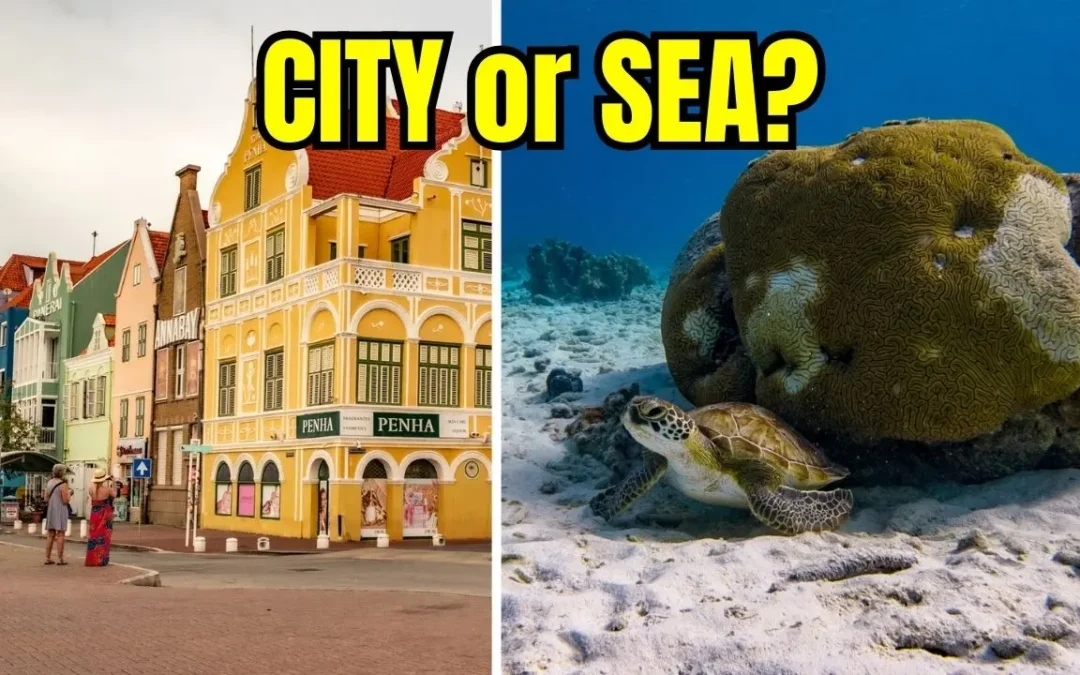
Curaçao isn’t only about beaches. Walking through Punda and Otrobanda adds another layer to the experience. Colorful facades, everyday street life, and the steady movement of people across the Queen Emma Pontoon Bridge give Willemstad its unmistakable rhythm.
These areas are best explored slowly, on foot, without much of a plan — just letting the island show its character.
The Rough Side and the Blue Room
On the north coast, Shete Boka National Park reveals a completely different Curaçao. Here, waves crash into limestone cliffs, and the landscape feels raw and exposed. It’s a reminder that this island is shaped as much by the ocean’s force as by its calm anchorages.
From Santa Cruz Beach, a short hike (or a dinghy ride, if you anchor in the St. Cruz bay) and swim lead to the Blue Room cave, one of Curaçao’s most unique natural features — a place best experienced quietly, in the afternoon hours, when the light reflects off the water inside.
More Than Just Beaches
More of other Curaçao experiences: a stop at the liquor factory, buggy and ATV tours, cave exploration, and additional snorkeling at Kokomo Beach. To round things off, there are spots for kitesurfing in St. Joris Bay and windsurfing back in Spanish Water, showing just how active the island can be when the trade winds fill in.
A Pause, Not the Destination
This post — like the video — fills a gap. Curaçao is a place I know well and genuinely enjoy, but it’s not where the journey ends. The intention remains the same: finish the boat work, get the missing parts installed, and set sail for the next island.
Until then, this is Curaçao as I know it — not rushed, not staged, just shared during a pause between passages.
👉 Subscribe to my YouTube channel so you don’t miss the next installment of “About the challenges of the week?”
If you enjoy following my sailing adventures and DIY projects, please like, comment, and subscribe — it helps the channel grow and keeps the journey going.
Or join me on Patreon – I appreciate and I am grateful for any type of support.
Cheers
Paul – SY ANIMA