Exploring Bocas del Toro by Sailboat
Sailing from Curacao to Panama
After a basic refit in Curaçao, I sailed Anima west towards Panama. We, that is my crew Jurney and I, first stopped at Linton Bay to complete the clearance process before continuing towards Bocas del Toro.
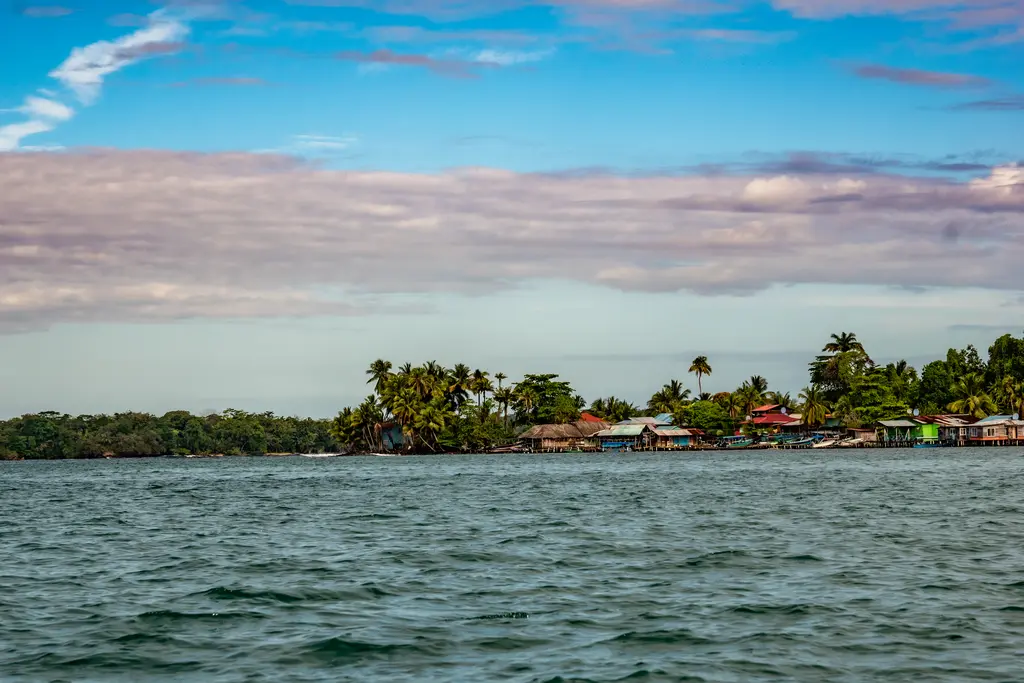
The trip from Linton Bay took around 26 hours. There was very little wind, and whenever we did get some, it was mostly right on the nose. Our first stop was Punto Alegre, a peninsula on the mainland coast inhabited by the Ngäbe-Buglé people.
We received a very friendly welcome. Some locals offered fruit for sale, and we were able to refill our water tanks after the passage. In the evening, one of the locals took us to a small restaurant, where we had lobster with plantains and a drink for just $5. This was a very different experience from the tourist areas of Bocas.
From Punto Alegre we continued to Isla Bastimentos, eventually reaching Isla Colón and Bocas Town. After refueling and saying goodbye to my crew, I continued exploring Bocas on my own.
Exploring Bocas from the Water
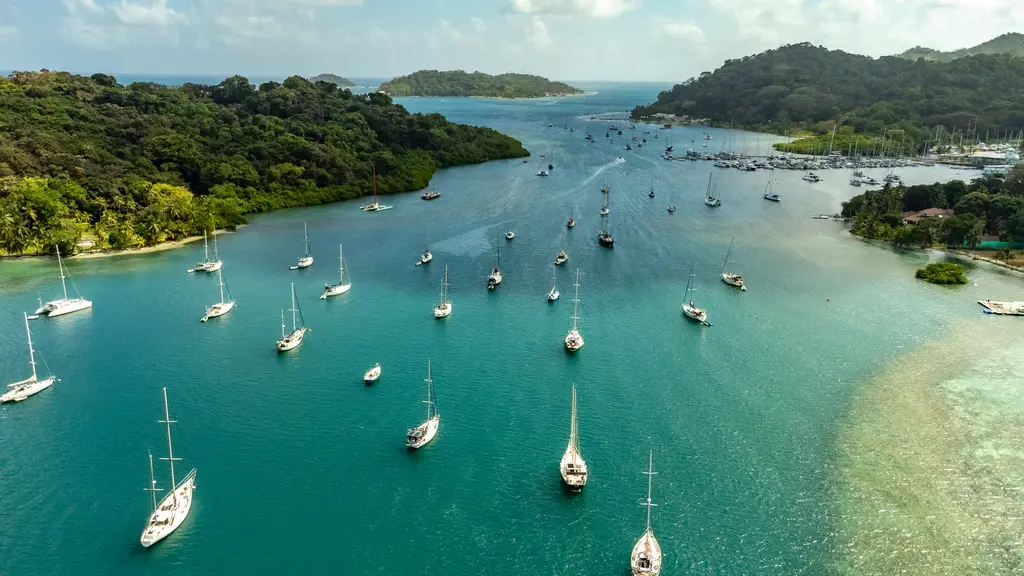
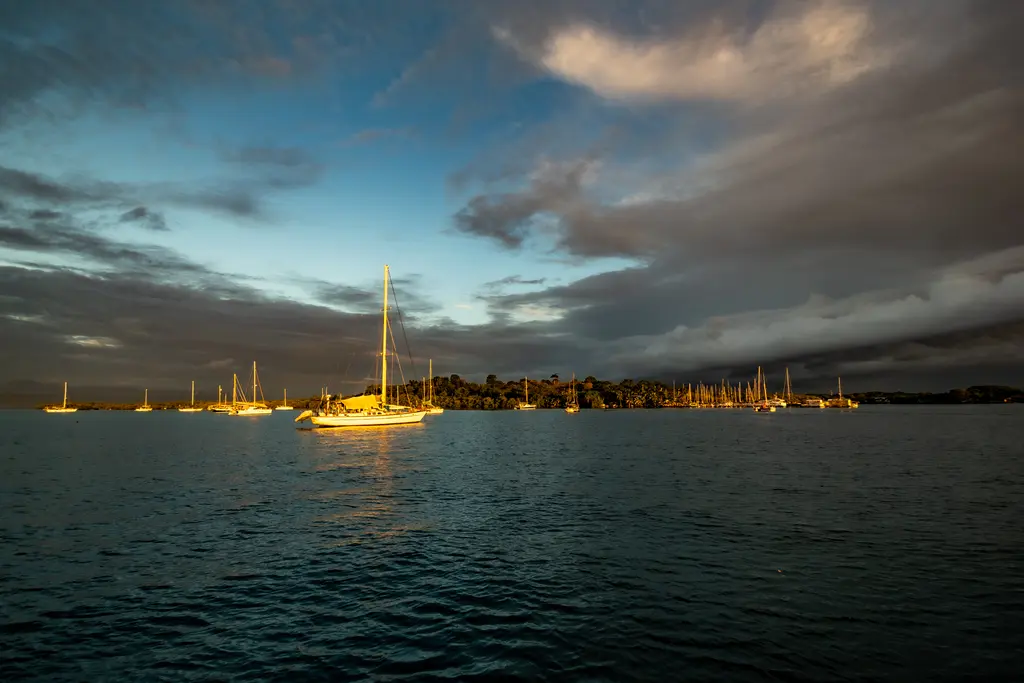
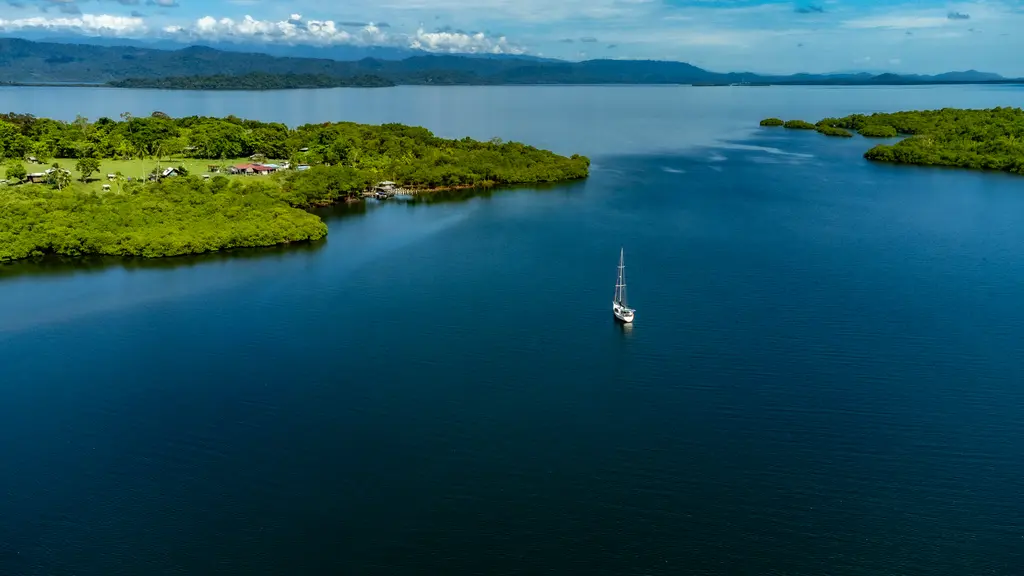
Bocas del Toro is made up of numerous islands and small bays, making it a great place to explore by sailboat. There are plenty of anchorages, and moving between the islands by boat is relatively easy.
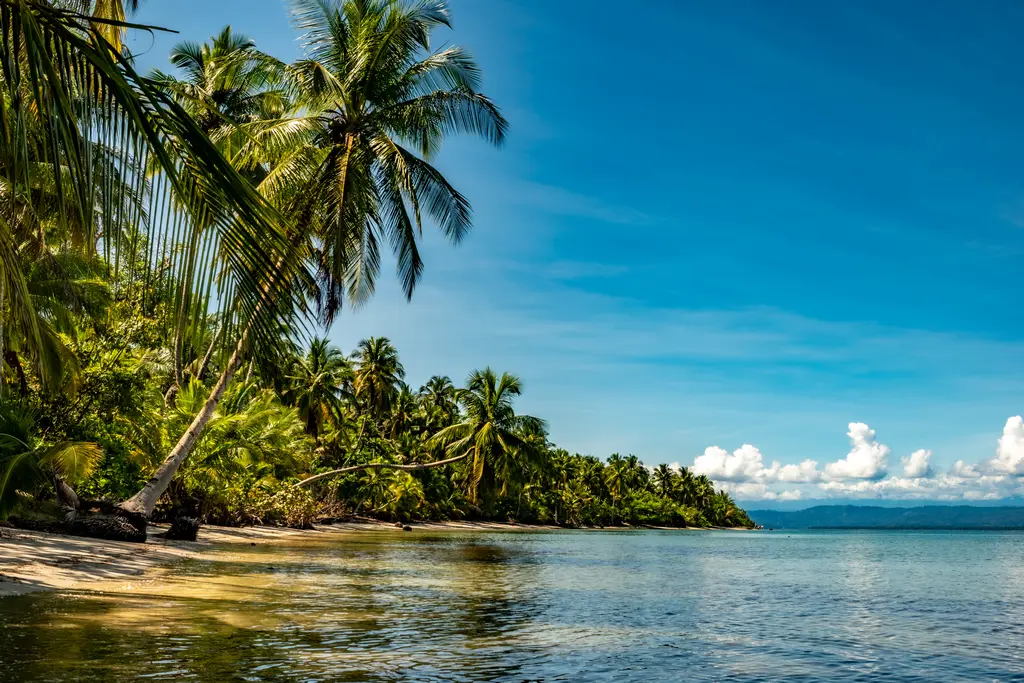
Some of the places I’ve explored so far include Isla Bastimentos, Playa Estrella, Red Frog and Wizard Beach. I’ve also visited Dolphin Bay and hiked the Wonderland Trails, where I saw a surprising variety of tiny frogs.
Wildlife is one of the things I enjoy most about Bocas. Sloths can be found in the area, and dolphins can sometimes be spotted around Dolphin Bay, near Red Frog Marina and in Bahía Honda.
Many of the islands are easy to explore from an anchorage by dinghy, and water taxis provide another convenient way to get around. Short trips can cost around $3, while a journey of a couple of miles can quickly add up to around $20.
Where can you anchor in Bocas del Toro?
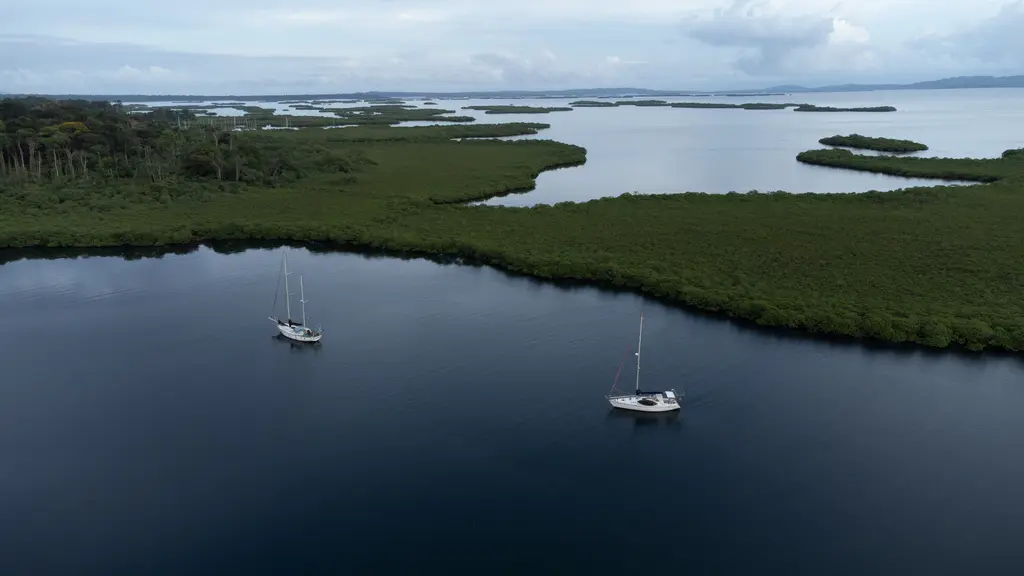
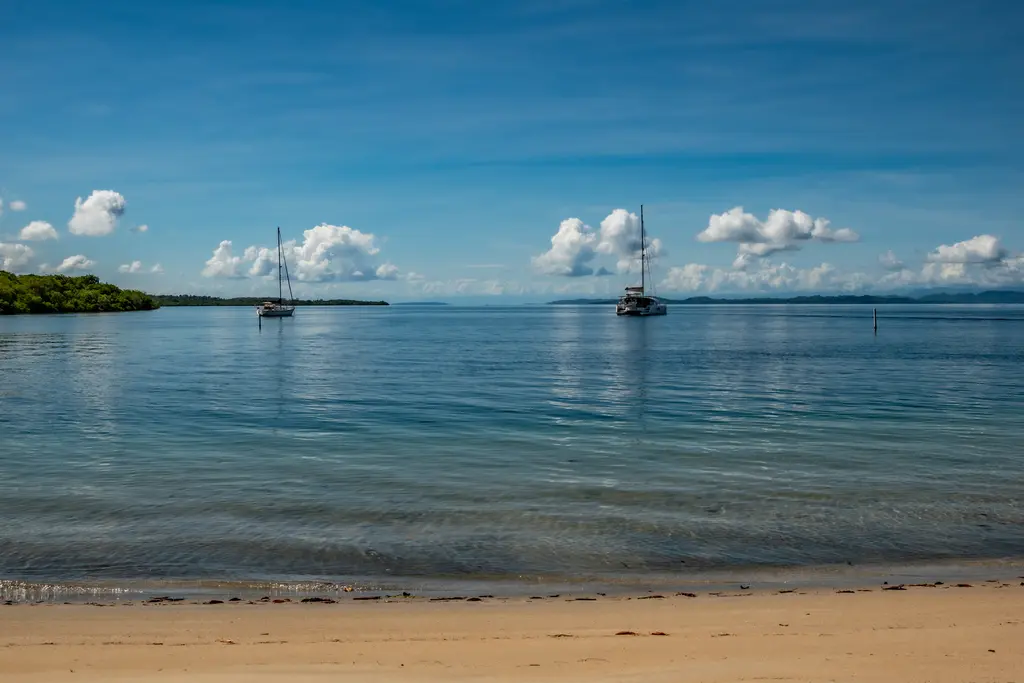
One of the biggest advantages of Bocas is the number of good anchorages. In the main anchorage in front of Bocas Town, depths are generally around 7–11 metres, with mud providing good holding in many places. There are also areas with coral, however, and unfortunately some of it is poorly marked or has already been damaged.
Getting ashore can be a little more complicated. There are several options around Bocas, but finding a place where you can leave your dinghy safely isn’t always easy. One private dock on the south side is commonly used by cruisers and charges around $5 for dinghy parking.
There is also a smaller anchorage on the north side of Bocas Town with another dinghy dock. I haven’t used it myself yet, as the water there can become very shallow — at times around 2 metres — which is about the same as Anima’s draft. It seems to be a more relaxed anchorage and may be particularly suitable for catamarans, but I’ll have to explore it myself before I can say much more about it.
How is provisioning in Bocas del Toro
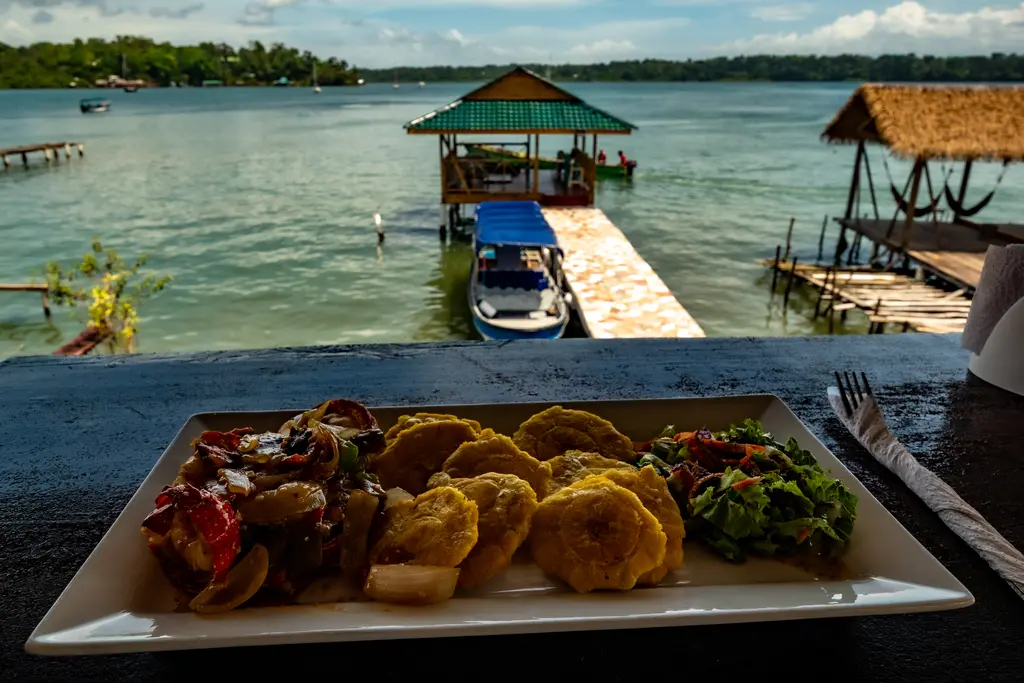
Provisioning in Bocas Town is easy. There are several supermarkets and smaller shops, and most everyday groceries are reasonably well stocked. Meat has been the main disappointment for me after becoming accustomed to the quality available in Curaçao.
Water is inexpensive and easy to find. Some marinas and other locations have refill machines where you bring your own container. A gallon costs around $0.25, although some machines fill approximately five litres for the same price — a nice little bonus when you find one.
Fuel is available at the marinas. I found it expensive compared with some other places, but had no problems with the fuel itself. I’ve heard that Almirante can be cheaper for fuel, although I haven’t tested that personally yet.
Laundry is one of the things I find particularly convenient and inexpensive in Bocas. There are several laundry services, with prices around $7 per bag. Compared with Curaçao, where the same service can easily cost $20 or more, doing laundry in Bocas feels almost like a bargain. For me as a liveaboard, the service at Bocas Marina has been especially convenient: I can simply drop off the laundry and pick it up the following day.
Gas: Bring Your Own or Switch to the Local System?
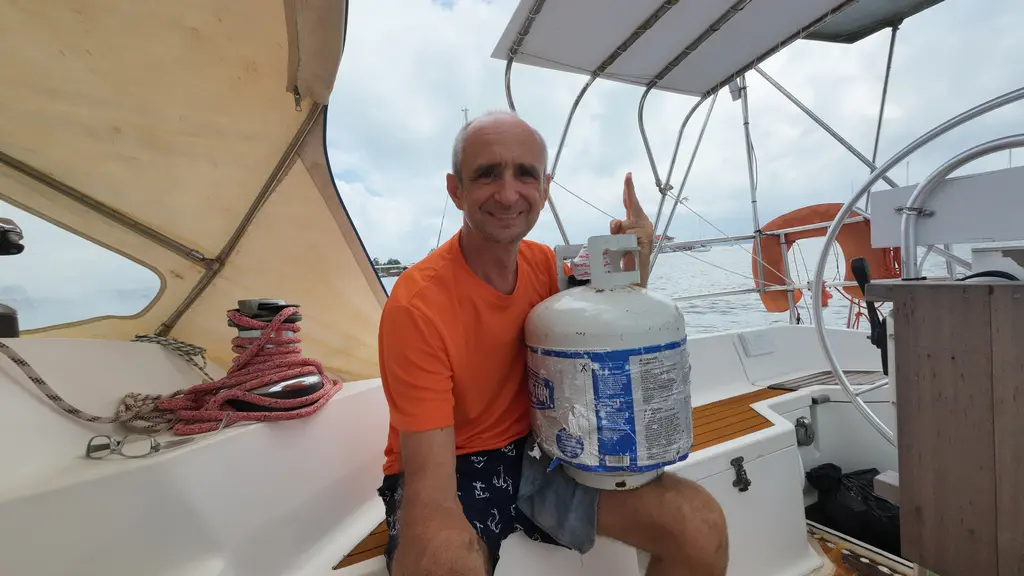
Gas is another small detail worth knowing about before arriving in Panama. The country uses its own LPG cylinder system, which requires a different pressure regulator from the American-style BBQ bottles commonly used on boats elsewhere in the Caribbean.
If you plan to stay in Panama for a longer period, it may therefore make sense to buy a local regulator and an empty cylinder and switch to the Panamanian system. I was told that refilling the local bottle costs around $6, although prices may vary depending on the location and cylinder.
I am still using the American BBQ-style bottle I brought from Curaçao. It works perfectly well, but having it refilled in Bocas costs around $40. For me, that’s not a major problem because one bottle lasts roughly three months. If you’re only planning to stay for a few months, buying another regulator and cylinder may not be worth the hassle.
For anyone planning to spend a longer time cruising Panama, however, switching to — or adding — a local gas bottle could make considerably more sense.
Getting Around
Bocas Town itself isn’t very large, and most places can easily be reached on foot. For exploring further afield, bikes, scooters, ATVs and cars are available for rent.
For sailors, however, the water taxis are often the most convenient option. They connect the different islands and areas quickly, and prices are generally manageable.
How is Internet and Connectivity
A local SIM card can provide unlimited data for around $25 per month. Coverage around Bocas Town is generally good, but it becomes unreliable or disappears completely in some of the more remote areas.
I use Starlink instead. It costs more, but for me the reliability is worth it, particularly when living and working from the boat.
Living in Bocas del Toro
Bocas has a well-established cruising community. There are sailors who stay for several months and others who have been here for years. There are regular meetups and events on different islands, which makes it relatively easy to meet other cruisers.
The town also has plenty of restaurants, and I have found both the prices and food quality quite reasonable. Street food can be inexpensive too — lobster dishes can be found for around $8, while a chicken version can be around $5, without drinks.
At the same time, Bocas isn’t necessarily an easy place for someone trying to live on a budget. There are many things to do, but a surprising number of activities are paid. Once you start adding water taxis, activities, meals, marina services and other small expenses, costs can accumulate quickly.
What are my challenges in Bocas del Toro
Bocas is beautiful, but living here isn’t without frustrations.
One of the things I’ve found most difficult is communication with marinas and businesses. Emails often go unanswered, and even WhatsApp messages can be read without receiving a reply. When I was looking for somewhere to leave Anima while travelling to Germany, I contacted five marinas and received only one response.
Finding boat equipment and spare parts can also be difficult. Some shops are well stocked for outboard engines, but sailboat-specific equipment is much harder to find. Dinghies are particularly difficult to source locally, while theft of dinghies and outboard engines is a recurring concern among cruisers.
My advice is therefore simple: if you’re sailing to Bocas, bring the boat parts and materials you think you might need with you. Epoxy, repair materials, spare parts and other items that seem easy to find elsewhere may not be available here when you need them.
The rainy season is another factor to consider. Rain can be heavy and can continue for several days. For a sailor, however, there is one major advantage: with a good collection system, there is generally plenty of rainwater, making a watermaker much less essential.
Is Bocas del Toro Worth Visiting by Sailboat?
For me, yes.
The combination of beautiful nature, numerous anchorages, wildlife and an established sailing community makes Bocas an interesting place to explore by boat. The surrounding islands are where I find the most interesting experiences, particularly when you leave the main tourist areas behind.
It isn’t perfect. Getting ashore with a dinghy can be frustrating, boat supplies are limited, and some everyday things are more complicated than they should be. If you’re travelling on a tight budget, the lack of free activities and the accumulation of small costs can also become an issue.
But Bocas is still a place where you can anchor in a beautiful bay, jump in the dinghy and explore a completely different island — often without going very far.
Am I Planning to Stay Longer?
No — but that’s not because I don’t like Bocas.
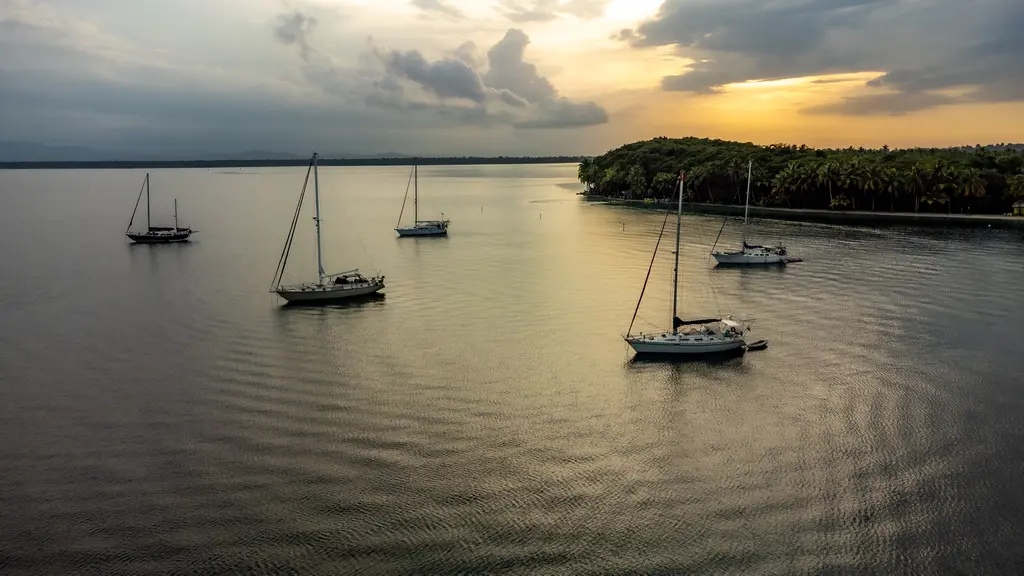
Bocas has been a great place to slow down and relax. There are plenty of calm and secluded anchorages, and after the long passage from Curaçao, having the opportunity to simply stay in one place for a while has been very welcome.
For me, though, there is still a lot more to see. Portobelo and the San Blas Islands are high on my list, and eventually I want to continue exploring further along the Caribbean coast.
Bocas also isn’t the ideal place for what I need to do with Anima in the long term. If you’re looking for somewhere to carry out major boat projects, haul-out options are limited and can be expensive. For relaxing and cruising, I find Bocas much more attractive than for boat work.
One Advantage of Being in Panama
There is one practical advantage of being in Panama that shouldn’t be overlooked, especially for sailors: getting goods shipped in from the USA is relatively straightforward.
One company I have been using is Red & Blue, which has branches around Panama, including one in Bocas del Toro. I am currently waiting for some oil filters that I ordered from the USA, so I haven’t completed the whole process yet, but so far the service has been good.
I’ll write more about the shipping process and the oil-filter saga in a separate blog article and video once I have the package in my hands.
For sailors spending more time in Panama, having a practical way to get parts and equipment shipped in can make a big difference — especially when local shops don’t have what you need.
What’s Next for Anima?
Bocas is only the beginning of my Panama adventure.
I’m currently looking for a suitable dinghy, which will give me much more freedom to explore the islands and anchorages around Bocas. Once I can move on, I’d like to continue east towards Portobelo and eventually San Blas when the weather gives me a suitable opportunity.
For now, though, Anima remains in Bocas del Toro — and there is still plenty more to discover here.
This page will continue to evolve as I explore more of the area and add new experiences and practical information.